

 Italiano
 Español
Cloning virtual machines is a common task in virtualized environments, so common VMware created a different type of virtual machine to be used as a Template (and named Template). The difference between a VM and a Template is simple: you can’t power on a Template so you can’t modify it without converting it back to a virtual machine.
When a VM is converted to a template its .vmx file become a .vmtx file.
It’s pretty easy and quick to convert a VM to a template with VMWare vSphere Web Client, just follows these steps.
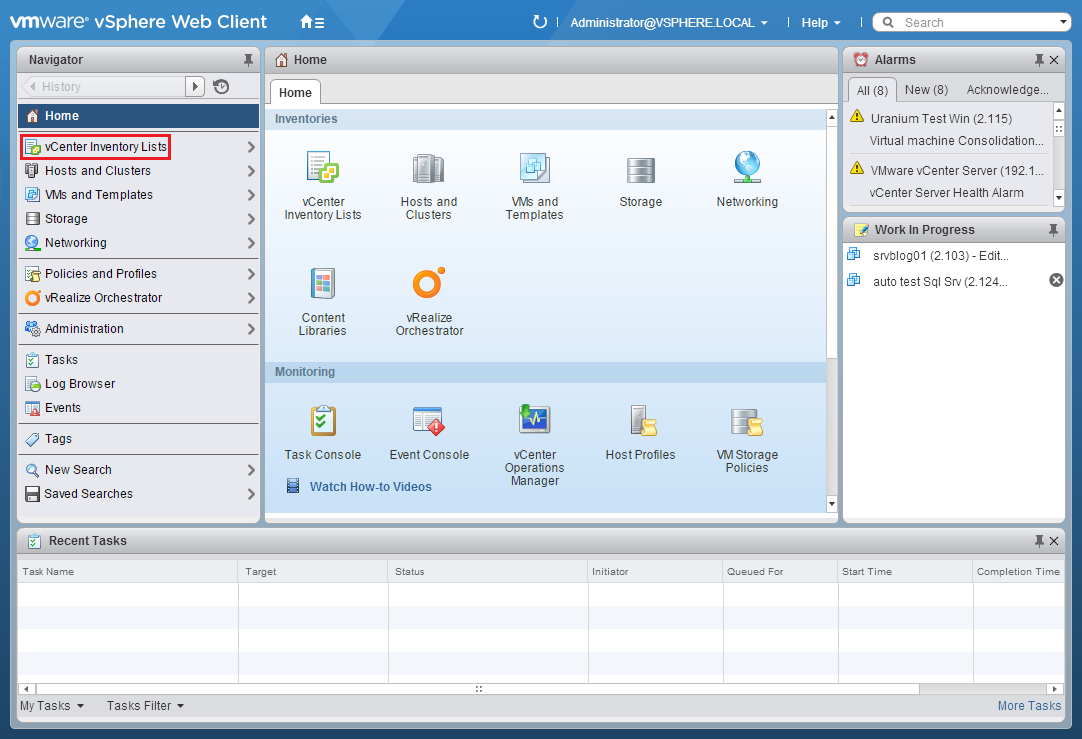
Log in your vSphere Web Client and open your Inventory:
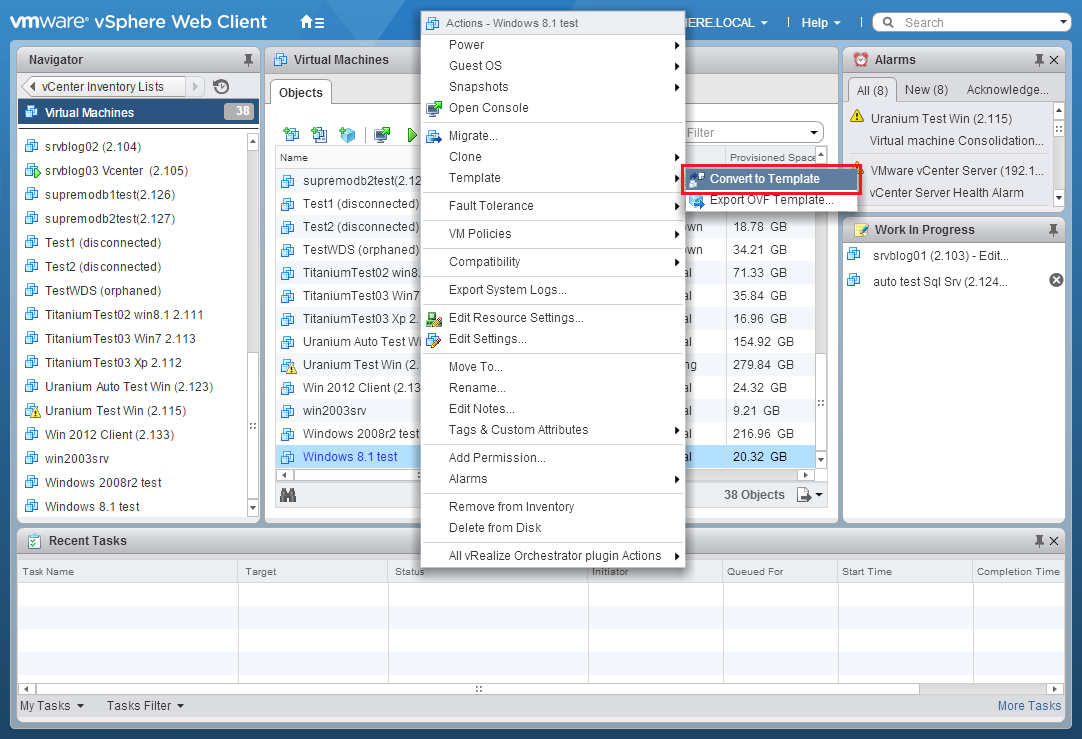
Reach the VM list and select the machine you want to convert. Right-click and select Template –> Convert to Template:
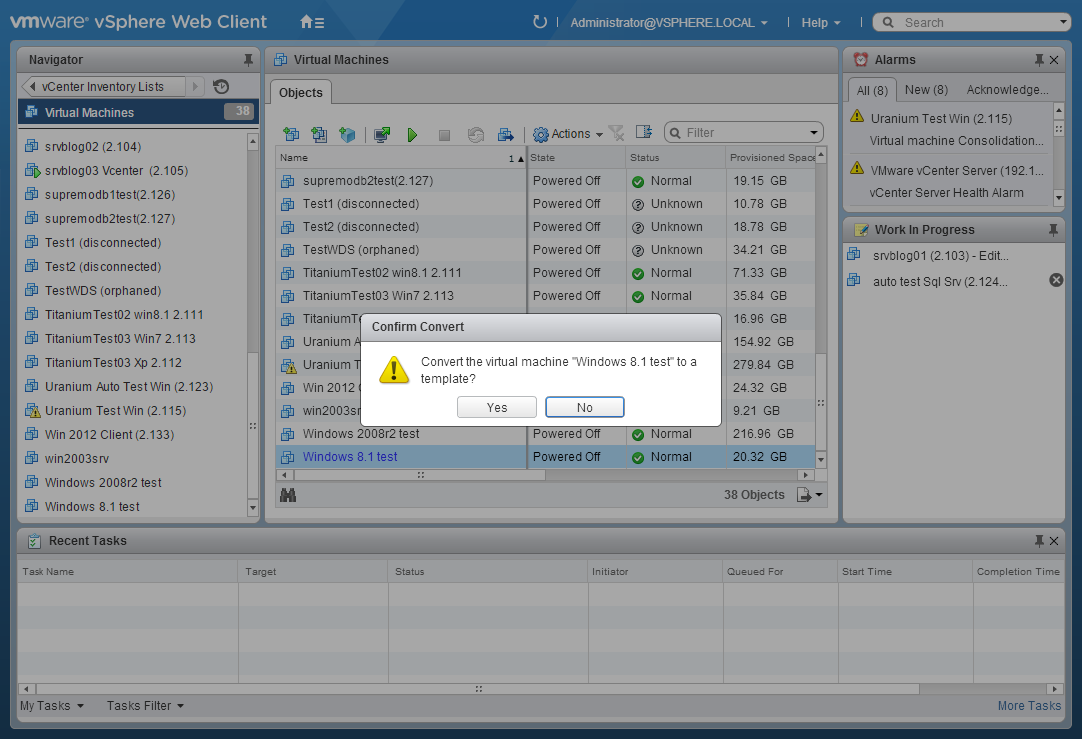
Click Yes:
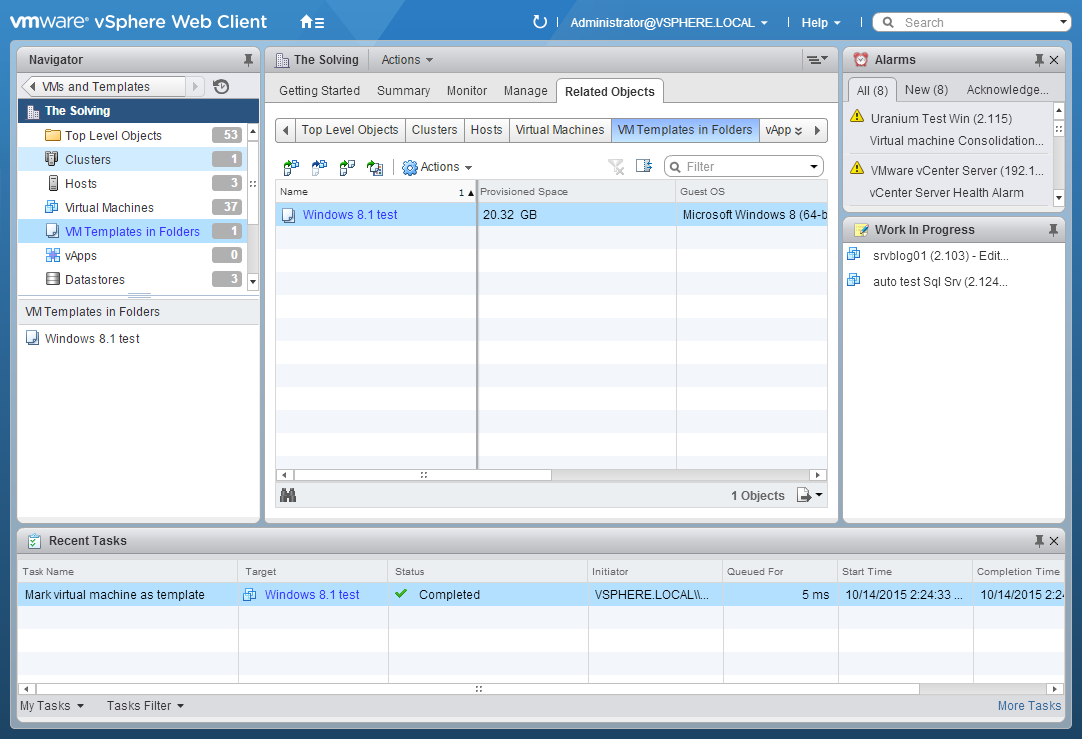
After the completion of the operation you will find the Template under the VM Templates in Folders area of the vSphere Web Client:
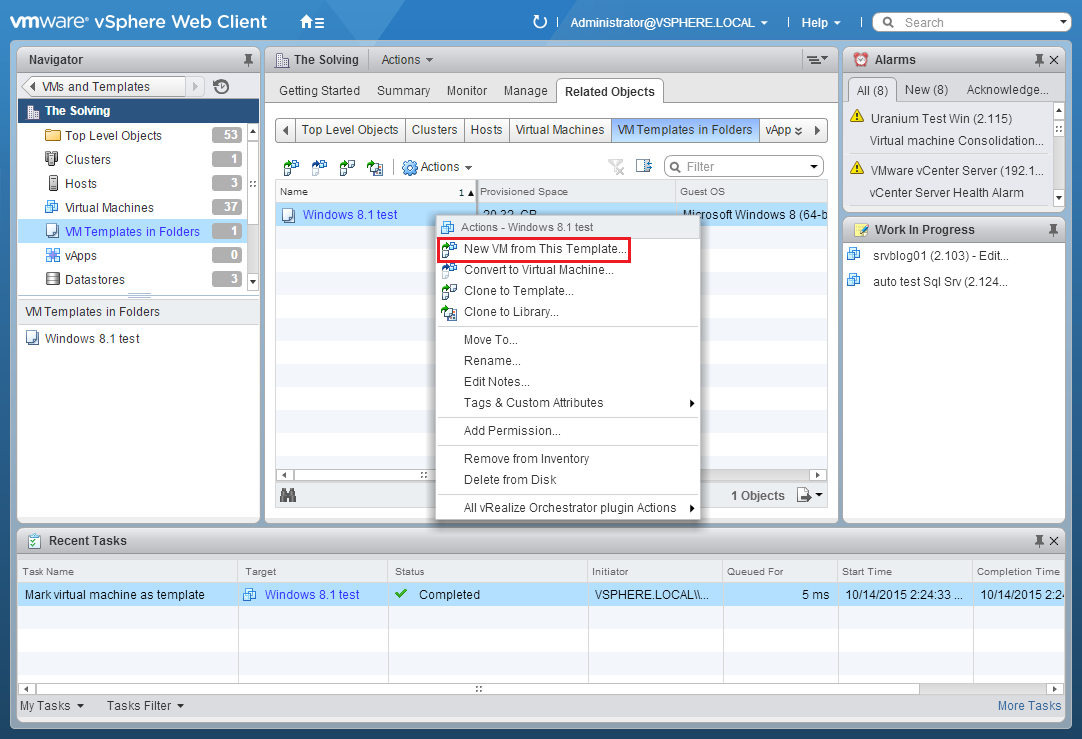
To create a new VM from the Template right-click on it and select New VM from this Template:
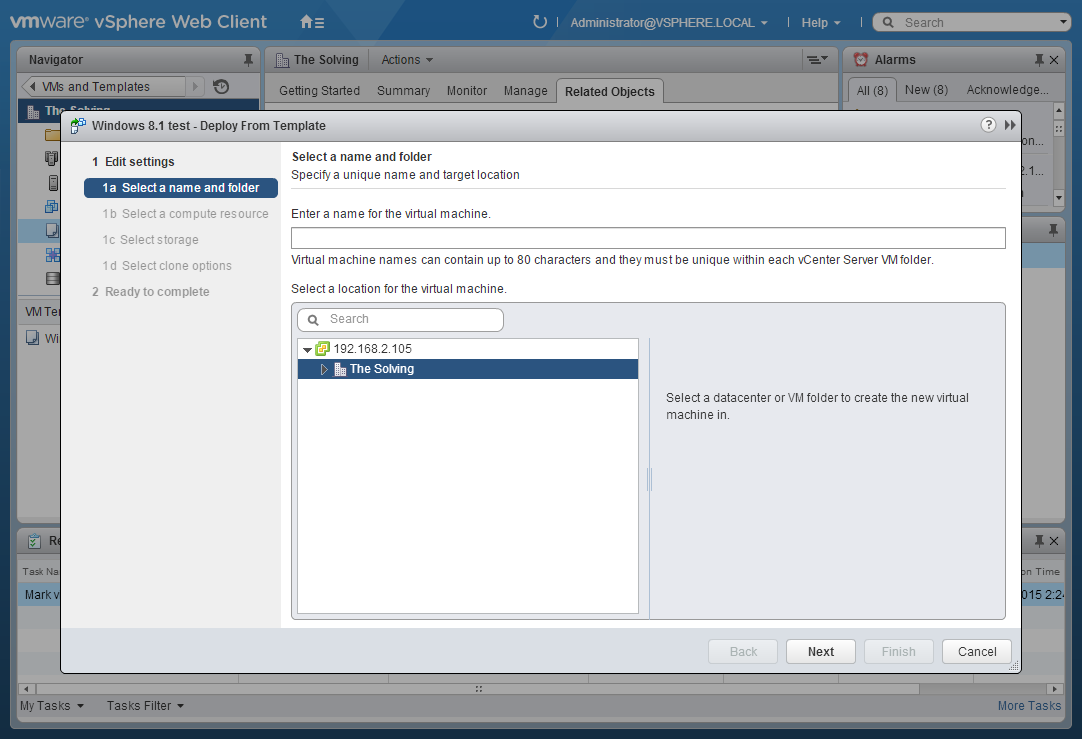
A new wizard will start. Follow the steps and the VM will be created:
Read related articles
How to install and configure VMware ESX 9.1 in 2026
Install and configure VMware ESX 9.1 (formerly ESXi) step by step: hardware requirements, ISO download from the Broadcom portal, DCUI network setup, Host Client access and the new licensing model.
VMware vSphere Client in 2026: how to access and manage vCenter
There is no VMware vSphere Client to download in 2026. Access vCenter through the built-in HTML5 client at https:///ui, manage standalone ESXi hosts via the Host Client, and automate with VCF PowerCLI. This guide covers the free ESXi Hypervisor, VCF 9, support timelines, and migration paths for MSPs.
Install VMware ESXi on a Hyper-V
It is possible to use nested virtualization to run VMware ESXi as a Virtual Machine in Hyper-V. To some, this